Tour Description
Pick up from your hotel lobby at 9:00am. Transfer to Tiananmen Square(40 minutes) by car, then transfer to Forbidden city(2 hours), the largest and best-preserved ancient imperial palaces group with 500 years history. The palace was built between 1406 and 1420, but was burnt down, rebuilt, sacked and renovated countless times, so most of the architecture you can see today dates from the 1700's and onwards.
Tiananmen Square:
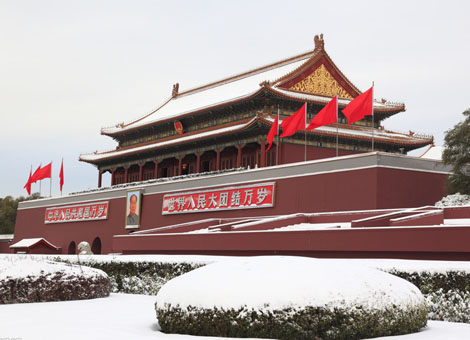
Tiananmen Square -The biggest downtown Square of the world,where you can visit Tiananmen Tower, Monument to the People's Heroes, Great Hall of the People, Mao Zedong Memorial Hall and see the national flag raising ceremony. Thousands of people come to the Square every day. It is the must place to visit in Beijing City.
Forbidden city:
The Forbidden City, located in the center of China's capital, Beijing, displays an extraordinarily harmonious balance between buildings and open space within a more or less symmetrical layout.Construction of the Forbidden City started in 1406, the 5th year of YongLo's reign. The construction took 14 years - and an estimated one million workers, and 100,000 artisans, were involved.
Lunch at a special characteristic Muslim restaurant(1.5 hours).
In the afternoon transfer to Temple of Heaven(1.5 hours) for sightseeing then proceed to Niujie Mosque(1 hour). Return to your hotel.
Temple of Heaven:
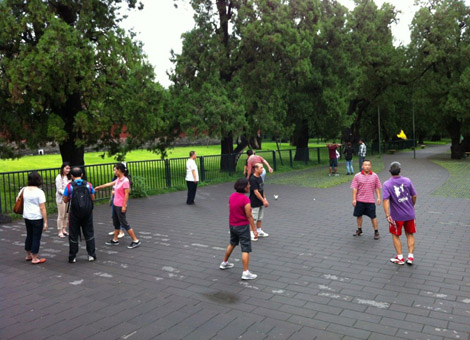
Temples of Heaven, China's largest temple and altar complex, the Temple of Heaven in the southern part of Beijing covers an area of 270 hectares. The Temple of Heaven is an exquisite and extraordinary example of Chinese religious architecture. Construction of the temple began in 1420 and at the temple emperors of the Ming and Qing dynasties worshipped heaven and prayed for abundant harvests.
Niujie Mosque:
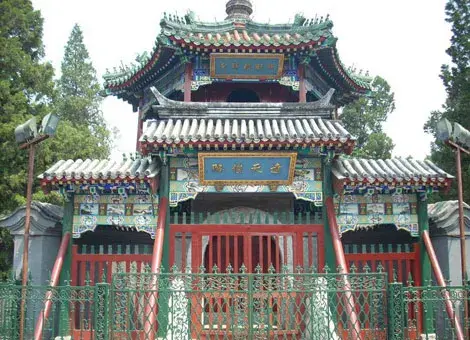
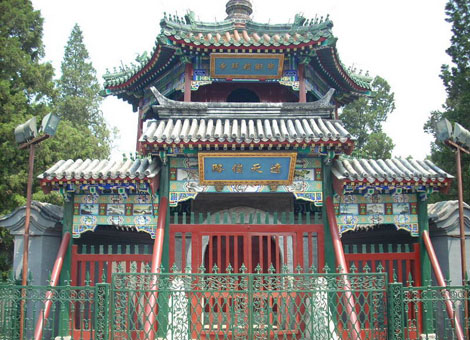
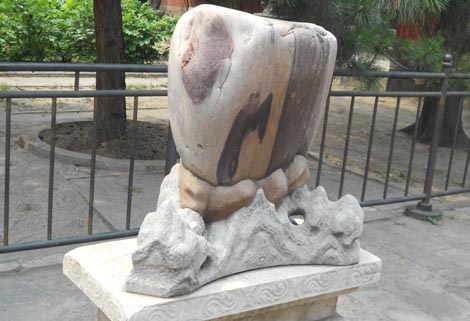
The Niujie Mosque covers an area of approximately 6000 square meters. The mosque is a mixture of Islamic and Chinese cultures. From the outside, its architecture shows traditional Chinese influence while the inside has mostly Islamic decorations. The mosque, built out of timber, is home to some important cultural relics and tablets such as the upright tablet of an emperor's decree proclaimed in 1694 during the Qing Dynasty.
Attractions Visited in This Tour

