Tour Description
Day 01 Arrival at Beijing
On arrival in Beijing, you will be meet by our tour guide and transferred to your hotel in Beijing. Free for the rest of the day.
Day 02 Beijing ( B L )---Tiananmen Square, Forbidden City, Temple of Heaven
After breakfast at your hotel, your tour start from Tiananmen Square(40minutes), the largest public square in the world. Then move on to the Forbidden City(2hours), the Chinese imperial palace from the mid-Ming Dynasty to the end of the Qing Dynasty.
Tiananmen Square:
Tiananmen Square -The biggest downtown Square of the world,where you can visit Tiananmen Tower, Monument to the People's Heroes, Great Hall of the People, Mao Zedong Memorial Hall and see the national flag raising ceremony. Thousands of people come to the Square every day. It is the must place to visit in Beijing City.
Forbidden City:
The Forbidden City was the Chinese imperial palace from the Ming Dynasty to the end of the Qing Dynasty. It is located in the middle of Beijing, China, and now houses the Palace Museum. For almost 500 years, it served as the home of emperors and their households, as well as the ceremonial and political center of Chinese government.
Lunch at a characteristic restaurant(1.5 hours).
After lunch, visit the Temple of Heaven(1.5hours), the place where the emperors of Ming and Qing Dynasties worshipped heaven and prayed for peace and good harvest. Next will be Summer Palace, originally a royal garden and a temporary dwelling palace for emperors of Qing Dynasty.
Temple of Heaven:
The Temple of Heaven is round in the north and square in the south, implying the traditional Chinese belief that there is a "round heaven and square earth". Two layers of surrounding walls divide the temple into the Inner Altar and the Outer Altar. The two altars, connected by a 360-metre-long raised walk called the Vermilion Steps Bridge, are arranged in a line forming a north-south axis 1,200 meters long.
Day 03 Beijing ( B L )--- Badaling Great Wall, Changling
Morning excursion to the magnificent section of the Great Wall - the Badaling Great Wall(2hours). The hiking will takes about 2-3 hours.
Badaling Great Wall:
Badaling Great Wall, a most famous section of the Great Wall, is located at Yanqing County in Beijing. Longqing Gorge sits at Yanqing County as well as Badaling Great Wall, so Longqing Gorge also attracts large number of tourists after Badaling Great Wall. Badaling, literally meaning "reach eight directions", got its name because the maze of its ridges stretches in all directions.
Lunch at a characteristic restaurant(1.5 hours).
After lunch, continue to visit Changling(1.5hours), one of the 13 Ming Tombs of the 13 emperors of the Ming Dynasty ( 1368 - 1644). Back to your hotel.
Changling:
Changling Tomb covers about 120,000 square meters (30 acres). Its layout is square in the front and round in the back. The square portion is divided into three connecting courtyards. Approaching the Changling Tomb, you will first see the tomb's gate. It is an Alhambresque gate, the rafters and arch of which are all made of colored glaze. There are three small red doors under the gate. In the courtyard stands a perfectly preserved stele pavilion.
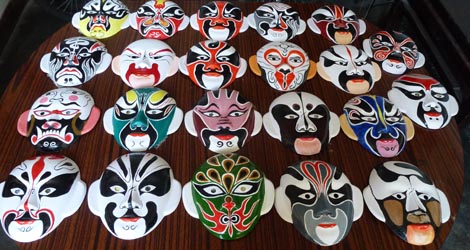
Day 04 Beijing ( B L )-- Beijing Zoo, Beijing City Planning Exhibition Hall, facial make-up of Peking opera character,hutong rickshaw riding
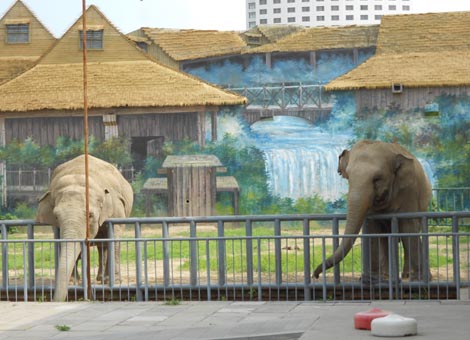
After breakfast, start your morning tour with a visit to the Beijing Zoo(2hours), the zoo is one of the oldest zoos in China and has one of the largest animal collections in the country. The zoo and its aquarium has over 450 species of land animals and over 500 species of marine animals. In all, it is home to 14,500 animals. More than six million visitors come to the zoo each year. The zoo was founded in 1906 during the late Qing Dynasty. Like many of Beijing's parks, the zoo's grounds resemble classical Chinese gardens, with flower beds amidst natural scenery, including dense groves of trees, stretches of meadows, small streams and rivers, lotus pools and hills dotted with pavilions and historical buildings.
Beijing Zoo:
The Beijing Zoo is best known for its collection of rare animals endemic to China including the Giant Pandas, which are zoo's most popular animals, the golden snub-nosed monkey, South China Tiger, white-lipped deer, Pere David's Deer, crested ibis, Chinese Alligator and the Chinese Giant Salamander. Other endangered or threatened species include Siberian tiger, yak, Przewalski's horse, snow leopard, Tibetan gazelle, and kiang. The zoo also has a broad collection of megafauna such as lion, jaguar, clouded leopard, Asian and African elephant, rhinoceros, hippopotamus, black bear, polar bear, tapir, sea turtle, penguin, gorilla, chimpanzee, kangaroo, muntjac, addax, zebra, otter, bat, flamingo and lemur. The Beijing Zoo has 13 of the world's 15 species of cranes.
Lunch at a characteristic restaurant(1.5 hours).
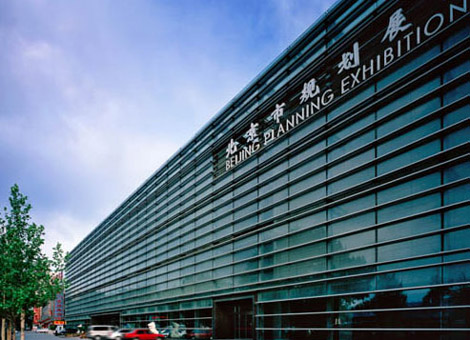
After lunch, go to visit Beijing City Planning Exhibition Hall(1hour), displaying the great achievements of the modern urban planning and development, and exhibiting the splendid future of Beijing's urban development. The 16,000 square-meter floor space is distributed on 4 floor levels in the Hall, with 8,000 square meters for exhibits. Then go to hutong (with rickshaw) and facial make-up of the Peking opera character(2hours). After the tour, transfer back to your hotel.
Beijing City Planning Exhibition Hall:
Beijing Planning Exhibition Hall is a well known patriotism educational center in Beijing. It is located at south eastern side Tiananmen Square and officially opened to public in September of 2004. It is an exhibition hall that shows the civil development history as well as current situation of Beijing and at the same time promotes the future planning of Beijing. In other word, this is the best destination for you to know the story of past, present and future of Beijing.
Hutong with rickshaw:
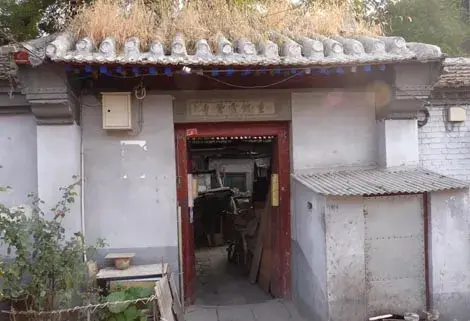
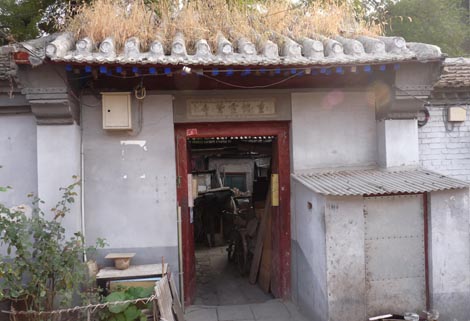
Hutong has become a general name for all the lanes and streets in Beijing. Recent record shows that there are over 6,000 hutongs. The ancient hutong area takes up most of the urban district where one third of the people living in the urban area reside. The residents there retain their old way of life and deem hutongs as an indispensable part of Beijing culture.
Day 05 Beijing ( B )
After breakfast, free and easy at your own leisure until transfer to airport for your departure flight.
Attractions Visited in This Tour