Tour Description
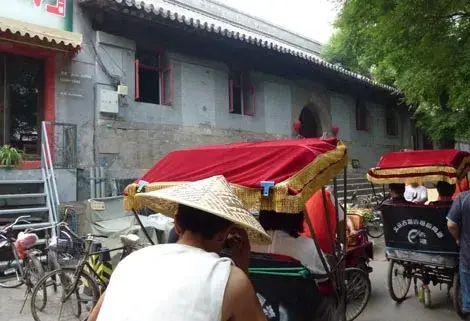
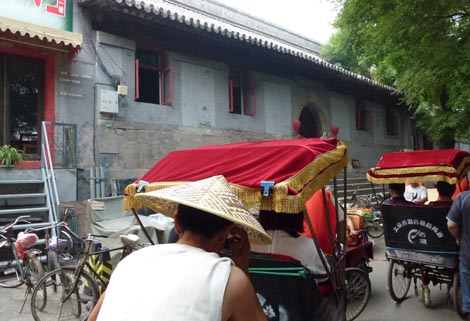
Pick up from your hotel lobby at 8:00am.Transfer to Hutong area by car, walk to explore the most beautiful Hutong area in Beijing(1hour). Sightseeing of inner Hutong by rickshaw(30minutes).Visit a local family and learn about D.I.Y Chinese dumplings, enjoy these with other Chinese dishes and this will be your lunch(2hour).
D.I.Y Chinese dumplings:
To make Chinese dumplings, first of all, chop the meat into pieces and mash them, then add salt, sesame oil, soy sauce, ginger, scallions, Chinese cabbage and MSG if you like. Mix thoroughly the ingredients; add two spoonful of water if necessary.In a big bowl, add water to flour gradually. Mix and knead by hand to form soft dough, then cover it with towel and put it aside for about an hour. Then scatter some dry flour on the board, knead and roll it into a sausage---like dough about 5 centimeters in diameter, then chop it into small pieces. Press each piece with your hand and get a pancake. Finally, to hold the pancake with your palm and put the filling in the center and wrap into half-moon shaped and seal the edges.
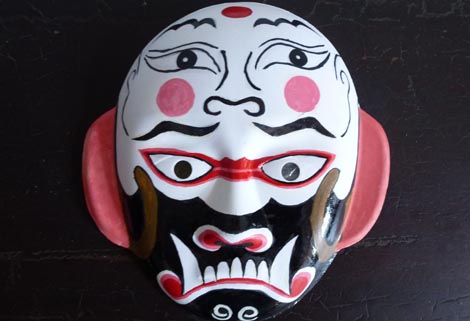
In the afternoon, learn the Art of Peking opera and the facial make-up of the Peking opera character(2hours). Return to your hotel.
Make up peking opera:
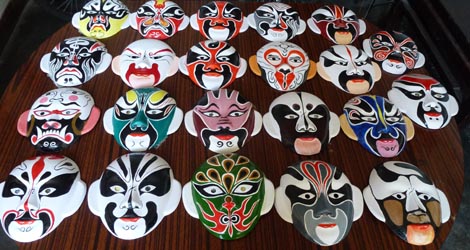
Peking Opera uses different colours in facial make-up to exaggerate or distort a performers' features, but originally, only three colours were used -- red, white and black - each with its own symbolic meaning. Red is the colour of loyalty, integrity and courage; black suggests a serious and taciturn disposition, including strength and roughness; white reveals a crafty and suspicious character. Later, other colours were gradually incorporated, such as purple -- a symbol of solemnity, serenity and a sense of justice; yellow, representing intelligence and calculation or bravery when used in warrior roles; blue shows uprightness and stubbornness; green indicates bravery and irascibility; and gold and silver are sometimes used on the faces of immortals, demons and monsters. Different colours can also distinguish nobility from the common folk, goodness from evil or loyalty from treachery.
Attractions Visited in This Tour

