Tour Description
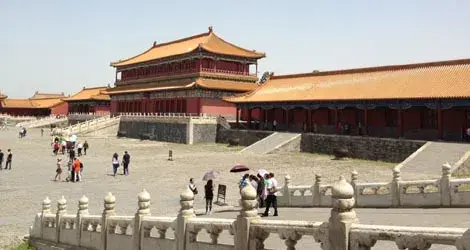
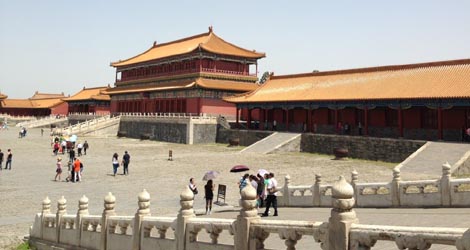
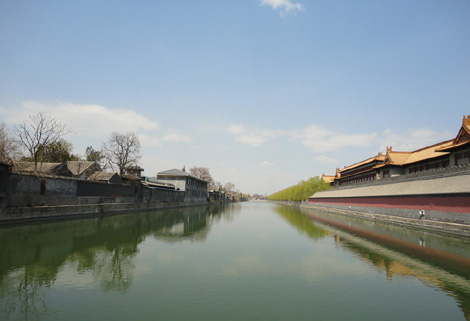
Pick up from your hotel at 9:00am.Transfer to the Forbidden City by car. The Imperial Palace, also known as the Forbidden City, was the imperial residence and center of the kingdom during the reign of 24 emperors. 14 in the Ming and 10 in the Qing dynasty resided and ruled from this palace for 491 years until Puyi, the last emperor of the Qing dynasty and of China. It is now the largest and best preserved ancient architecture in China.Seightseeing the Forbidden City about 2hours.
Forbidden City:
The Forbidden City was the Chinese imperial palace from the Ming Dynasty to the end of the Qing Dynasty. It is located in the middle of Beijing, China, and now houses the Palace Museum. For almost 500 years, it served as the home of emperors and their households, as well as the ceremonial and political center of Chinese government.
Lunch at local characteristic restaurant.
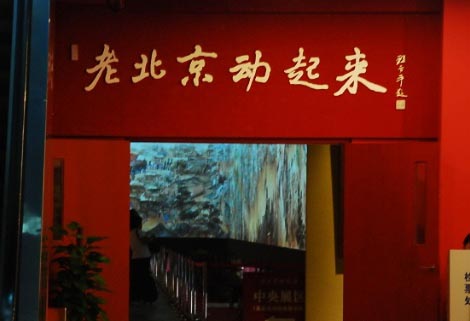
In the afternoon,visit to The Digital Beijing, which is based on A Round Glancing of Old Beijing, a painting scroll and outcome of 30 years of efforts by modern Chinese painter Wang Daguan. It will present an all-round introduction to Beijing's tradition, culture and history through the world's largest digital screen that measures 228 meters long and 3 meters tall. Now (August 12, 2011), the exhibition is unveiled at the 6000-square-meter exhibition area in the National Conference Center in Beijing Olympic Center.Look around at the old Beijing is called modern by many well-know experts and scholars. It's made by Mr. Wang Daguan who put life-long effort on drawing the scroll and fully reflects the old Beijing during 1920s and 1930s. The scroll is 22 meters long and 0.26 meters wide. This is with high artistic value, historical value and high academic value, also belongs to national third-level cultural relic.
After the whole day tour,transfer to your hotel at 5:30pm.
The Digital Beijing:
At the Digital Beijing Building, four reinforced concrete and steel frame blocks line up like dominoes and rise 11 storeys, with two additional levels underground.Exterior materials include curtain walls of precast concrete panels and glass, as well as metallic grids covering open shafts between the four blocks.Touting the building's green features, the firm maintains that the LED lighting system can significantly reduce electricity usage for lighting and that the building collects rainwater.

Attractions Visited in This Tour


