Tour Description
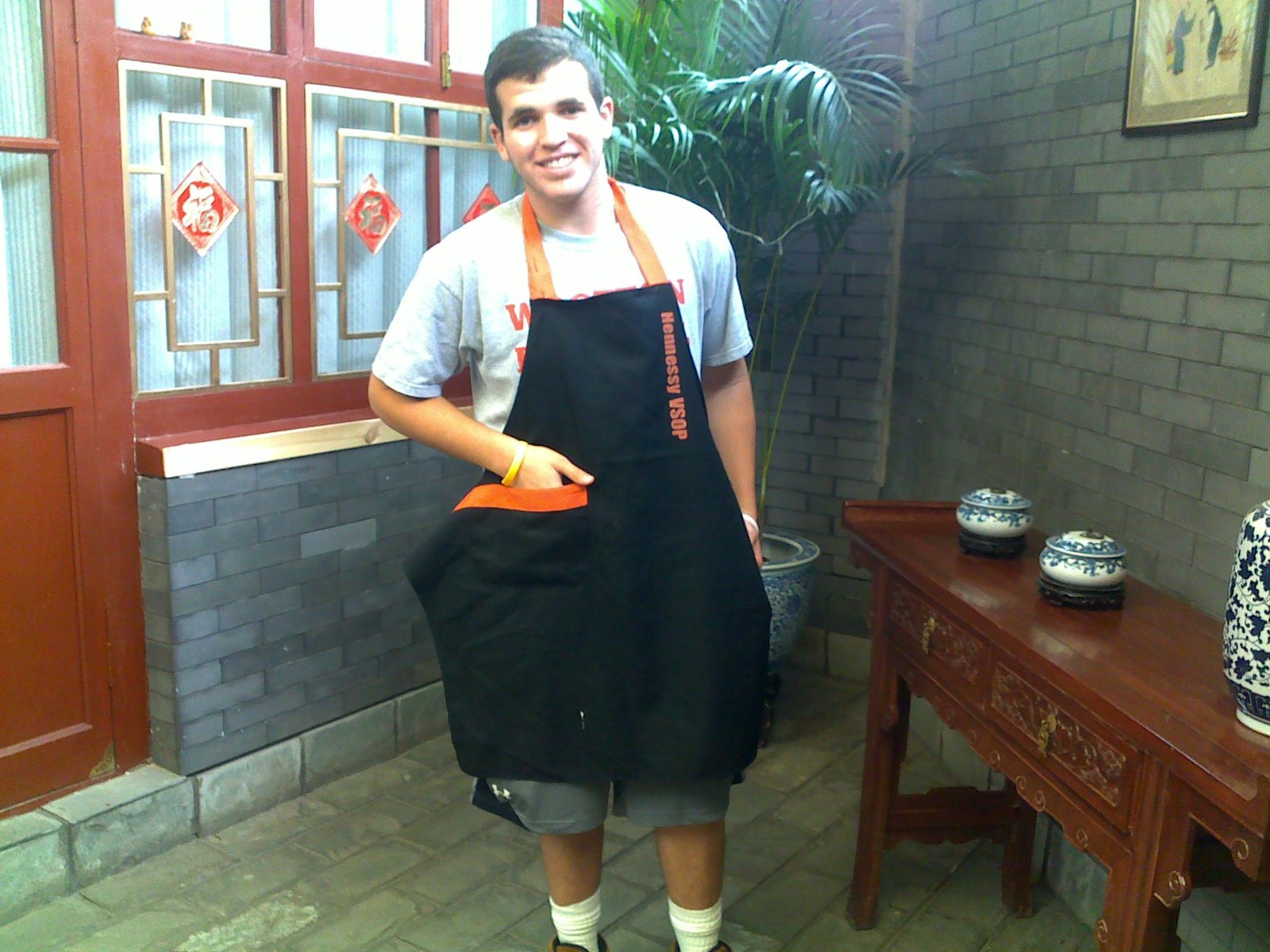
Pick up from your hotel lobby at 9:00am.Transfer to Beijing Local family's to learning cooking. An introduction to Chinese cooking, including the Chinese food background, source, history, followed by a Ademonstration of one to three dishes by our culinary arts teacher(1hour).Then visit the vegetable market, you can buy some vegetables and return have a chance to cook hands-on, after which they get to enjoy their own cooking (1.5hours) and this will be your lunch.
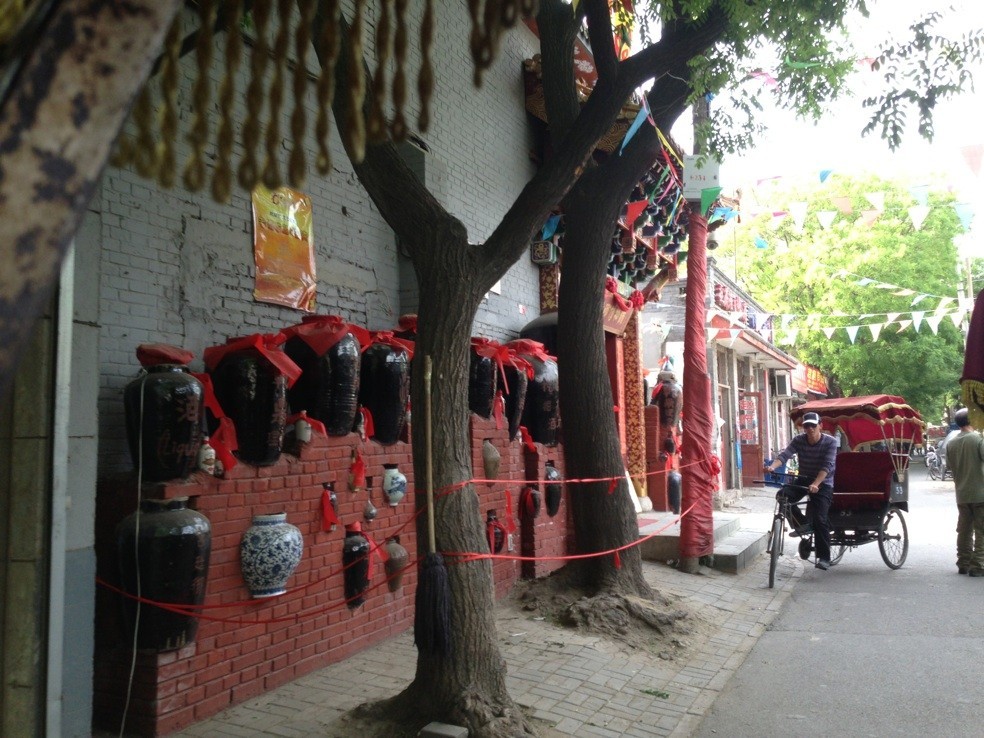
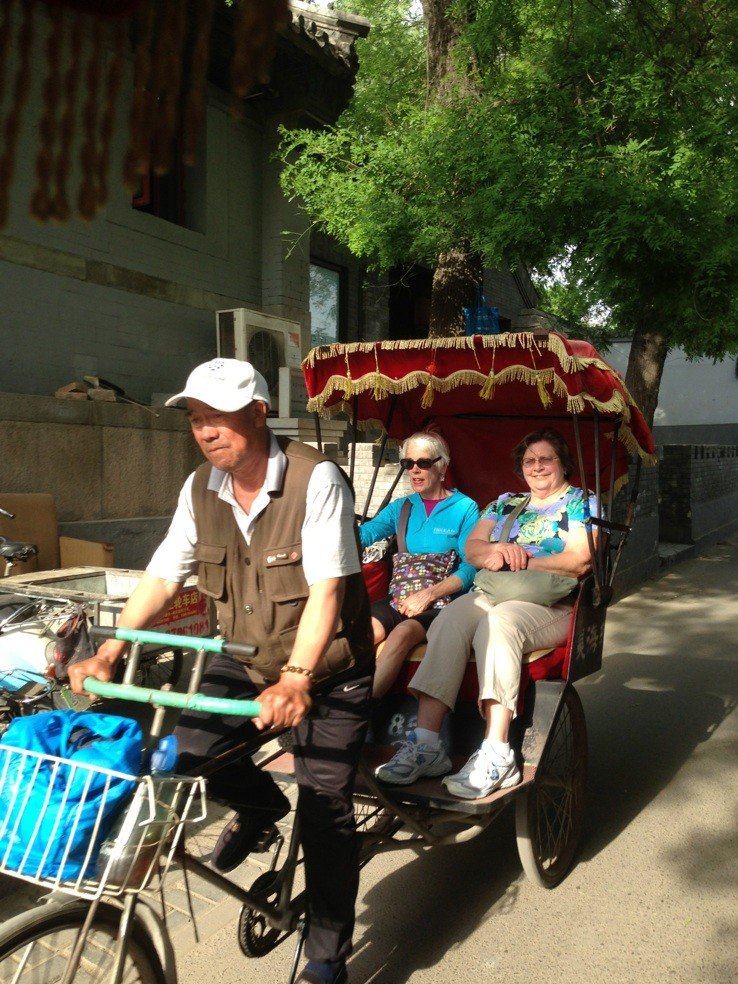
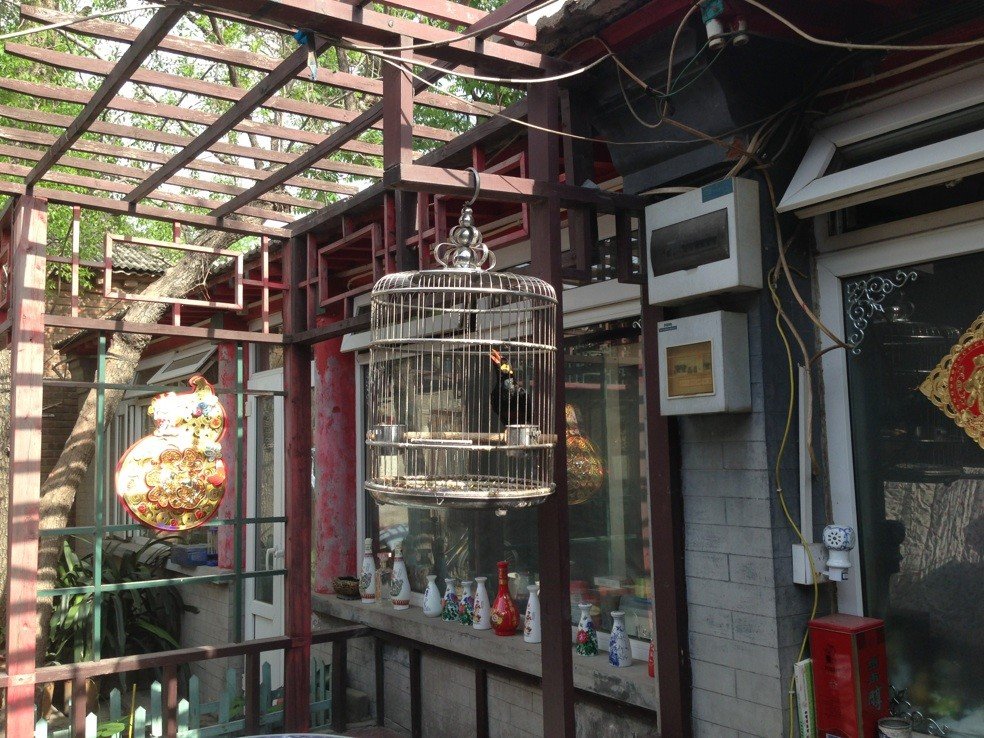
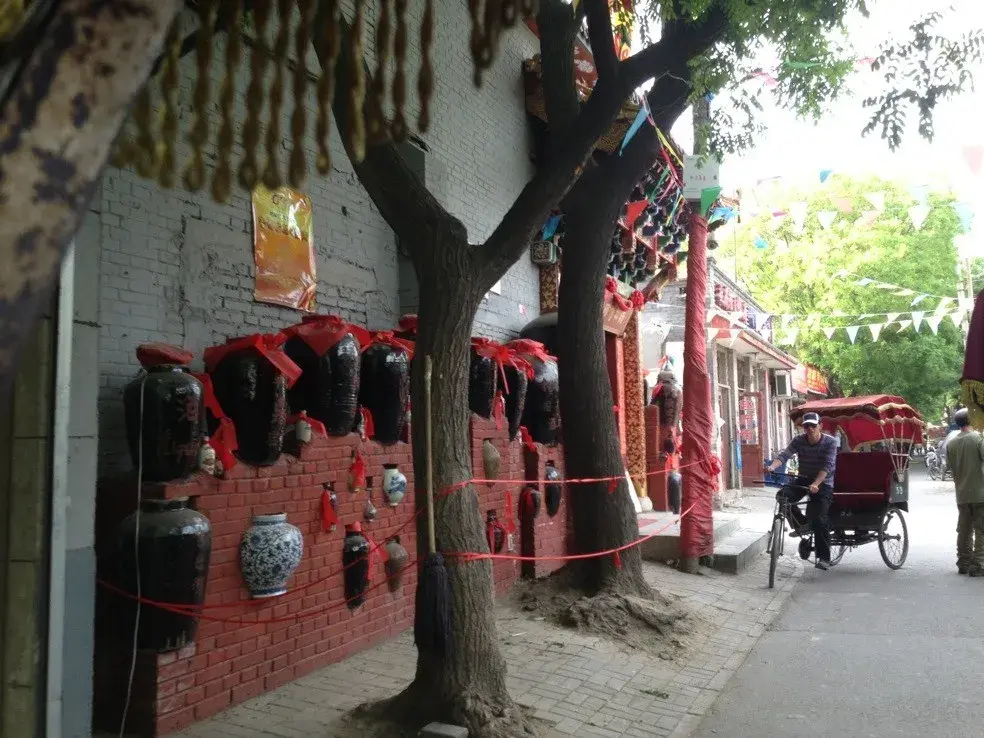
In the afternoon, learn about Chinese dumplings(3 hours): This event is intended for larger groups who desire light hands-on cooking and a social atmosphere. An introduction to Chinese cooking is followed by a dumpling making demonstration by our culinary arts teacher. After a brief dumpling making session, guests will enjoy dumplings with a variety of fillings, cocktail-style. Then transfer to hutong area and walk to explore the most beautiful Hutong in Beijing Sightseeing of inner Hutong by rickshaw(1hour).Return to your hotel.
Chinese dumplings:
To make Chinese dumplings, first of all, chop the meat into pieces and mash them, then add salt, sesame oil, soy sauce, ginger, scallions, Chinese cabbage and MSG if you like. Mix thoroughly the ingredients; add two spoonful of water if necessary. In a big bowl, add water to flour gradually. Mix and knead by hand to form soft dough, then cover it with towel and put it aside for about an hour. Then scatter some dry flour on the board, knead and roll it into a sausage---like dough about 5 centimeters in diameter, then chop it into small pieces. Press each piece with your hand and get a pancake. Finally, to hold the pancake with your palm and put the filling in the center and wrap into half-moon shaped and seal the edges.
Learning cooking:
Learning Chinese dish cooking from beginning to end at a famous culinary school in Beijing.Chinese cuisine has its own characteristics and some have become highly popular in other parts of the world. The main Chinese food includes Anhui, Cantonese, Fujian, Hunan, Jiangsu, Shandong, Szechuan, and Zhejiang cuisines. All these styles are distinctive on factors such as available resources, climate, geography, history, cooking techniques and lifestyle.