Tour Description
Day 1: Nairobi-Samburu
Depart Nairobi via the shoulder of Africa's second largest mountain, Mt Kenya to the Samburu Game Reserve. Accommodation at samburu sopa lodge or Ashnil Samburu lodge.late Evining game drive followed by dinner nad overnight at the lodge.
Day 2: Samburu Full Day
Early morning and late evening game drives in the park. Samburu is part of a lava plain that includes a diverse landscape of thorn scrub, red dirt, dried river beds, broken volcanic rock, steep hills, and rocky outcroppings, some large enough to be called mesas. The region is home to the uncommon Grevy’s zebra with huge fury ears, gerenuk antelope standing on hind legs to feed, Somali ostriches with distinct blue legs and the shy Oryx. Elephant and crocodile are guaranteed sightings, excellent bird watching with numerous varieties of weaverbirds and the martial eagle. Leopard sighting is also a special feature here though we have to search for it especially in the morning when hunting for its meals, you either spot it early in the morning or in the afternoon because most of the day, it spend its time under the rocks or trees to shed its self from the hot sun. Dinner and overnight in the lodge.
Day 3: Samburu-Marsabit
After early morning breakfast leave Samburu to north again along the Trans-African highway to Marsabit (meaning place of cold), an astonishingly cool, green and hilly oasis rising high above the dry heat of the surrounding desert lands. The local Rendile and Samburu people in their bright red outfits, beads and earrings make it a vibrant place. Lunch, dinner and overnight at lodge inside the Marsabit National park. we may drive to Lake Paradise and Little Lake when the roads are dry, here, an indigenous forest and a desert come together to create the most compelling landscape on earth. Elephants and greater kudu abound. The dense forest in the park is also home to a variety of birds.
Day 4: Marsabit-Kalacha
After an early breakfast we depart through the scenic landscape of the arid north with views of picturesque hills. We arrive and camp at Kalacha, a small Gabbra settlement on the edge of the Chalbi Desert. The Gabbra are an Eastern Cushitic people related to the Somali-Rendile in their historical origins in the southern Ethiopian highlands about AD 1000. The men wear traditional shorts and a blanket-cloak and the women wear a wrap-around and head cloth. They are pastoralists, particularly attached to their camels. Dinner and overnight in the campsite.
Day 5: Kalacha-Lake Turkana
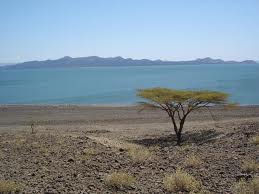
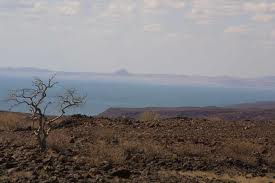
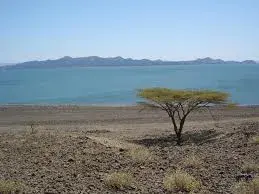
We depart early crossing the Chalbi Desert to Lake Turkana which is the largest desert lake in the world and extends for 288 kilometers up to the Ethiopian / Kenyan border. It is surrounded by volcanic rock and desert. We arrive Loyangarani at Palm Shade where we have bandas or we set up camp where we have our traditional Turkana Huts; making it a perfect place to relax, protected from the scorching sun and heat characteristic of the climate of this remote area. Visit the lake late afternoon, return to the camp for dinner and overnight.
Day 6: Lake Turkana Full day
The day is spent relaxing and you may visit the local or hire a boat to visit the surrounding area (at an extra cost).In addition, we may visit Loiyangalani and the community settled there while in the evening visiting one of the Turkana Manyattas [optional] for traditional dances at an extra cost if clients wish. We can even visit the Elmolo tribe which is the smallest tribe in Kenya and have good time with them. Turkana, formerly L. Rudolf is now named after one of the tribes who live on its shores and it is in this area that Richard Leakey uncovered the three million year old fossils of ‘Homo Erectus.’ This pre historic site is now known as the “Cradle of Mankind”. The Lake is also known as the “Jade Sea” because of its remarkable blue – green color. This is a result of algae particles, which shift with changes of the wind and light, so that the water surface shifts from blue to grey to fabulous jade. The lake is home to the largest population of Nile crocodiles in the world. If the weather permits we take a short sunset boat ride to the surrounding areas. Dinner and overnight in the camp.
Day 7:L.Turkana-Maralal
We depart Turukana via the Horr Valley between Mount Nyiro and Ol Doinye Mara viewing the breath taking scenery as we continue to climb on torturous, rocky hills to Maralal,the Losiolo escarpment, an endless stretch as land drops down to the Suguta valley. Maralal is the unofficial capital of the Samburu people and has a distinctly frontier feel about it. It boasts a colorful Samburu market and a game sanctuary that lies just outside of town. Maralal is also home of the Maralal International Camel Derby that happens once a year between July and October and attracts riders and spectators from the four corners of the world. Dinner and overnight in the hotel.
Day 8: Maralal- Nairobi
Heading south again via Laikipia Plains and Nyahururu with a stopover at the Thomson falls named after Joseph Thomson who walked from Mombasa to Lake Victoria in the early 1880s. Shaped by the waters of the Ewaso Narok River, the falls plunge over 72m into a rift, spraying the dark forest below. After lunch we drive back to Nairobi for dinner at the carnivore restaurant (optional) after which transfer to the airport for departure.
INCLUDED IN THE ABOVE COST:
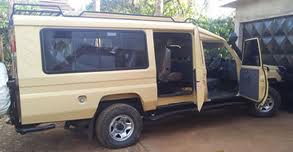
1. Transport in 4x4 Safari Land cruiser designed with pop up roof
2. Park entrance fees
3. Three meals in a day while on safari
4. Airport Transfers
5. Accommodation in lodge ,guest house and camps
6. Flying doctor evacuation cover
7. 1lrt Bottled water daily while on safari
EXCLUDED IN THE ABOVE COST:
1. Soft drinks and alcoholic beverage
2. Tips
3. Boat Ride fee
4. Laundry
5. Any other item not mentioned above