Tour Description
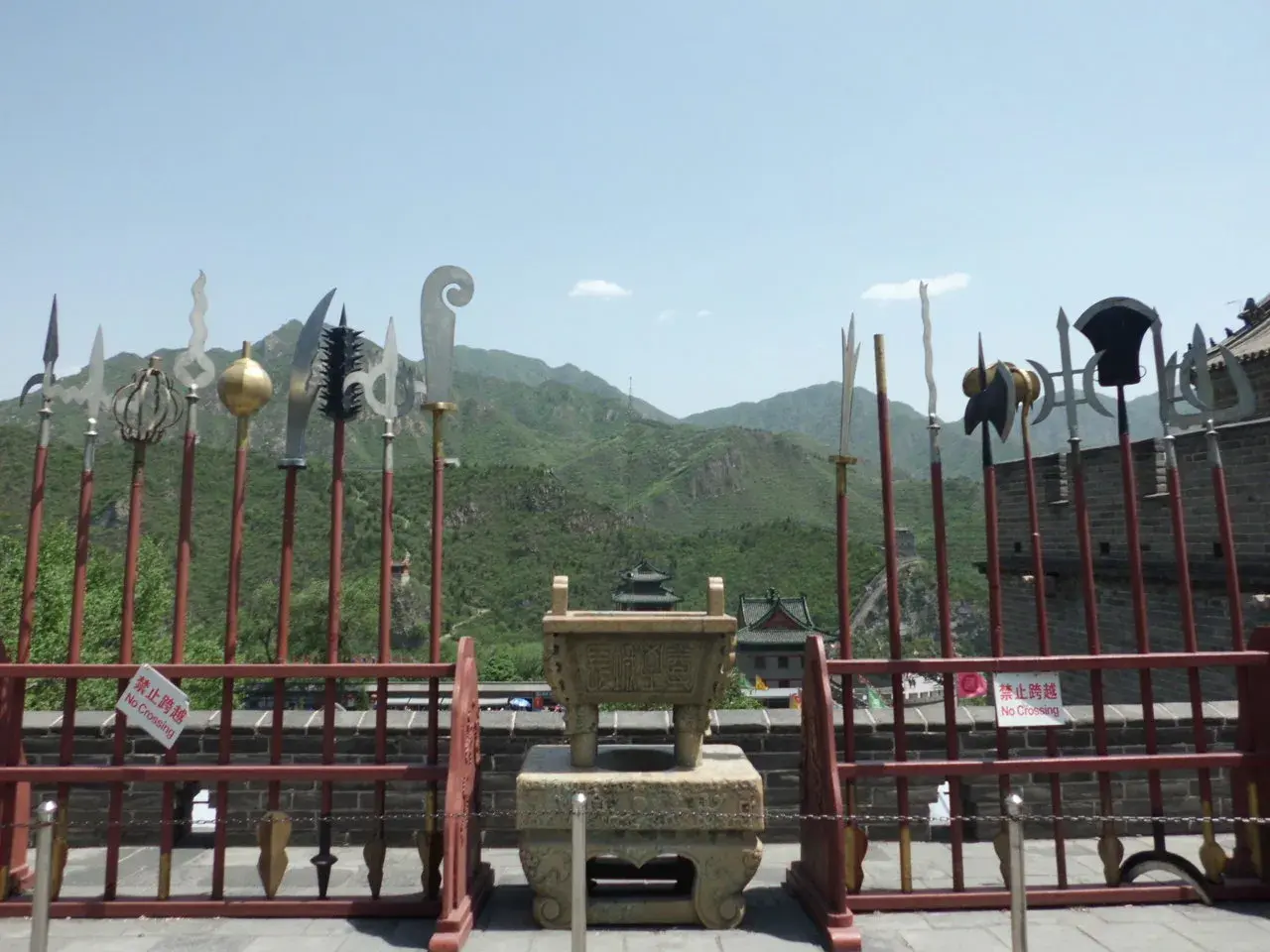
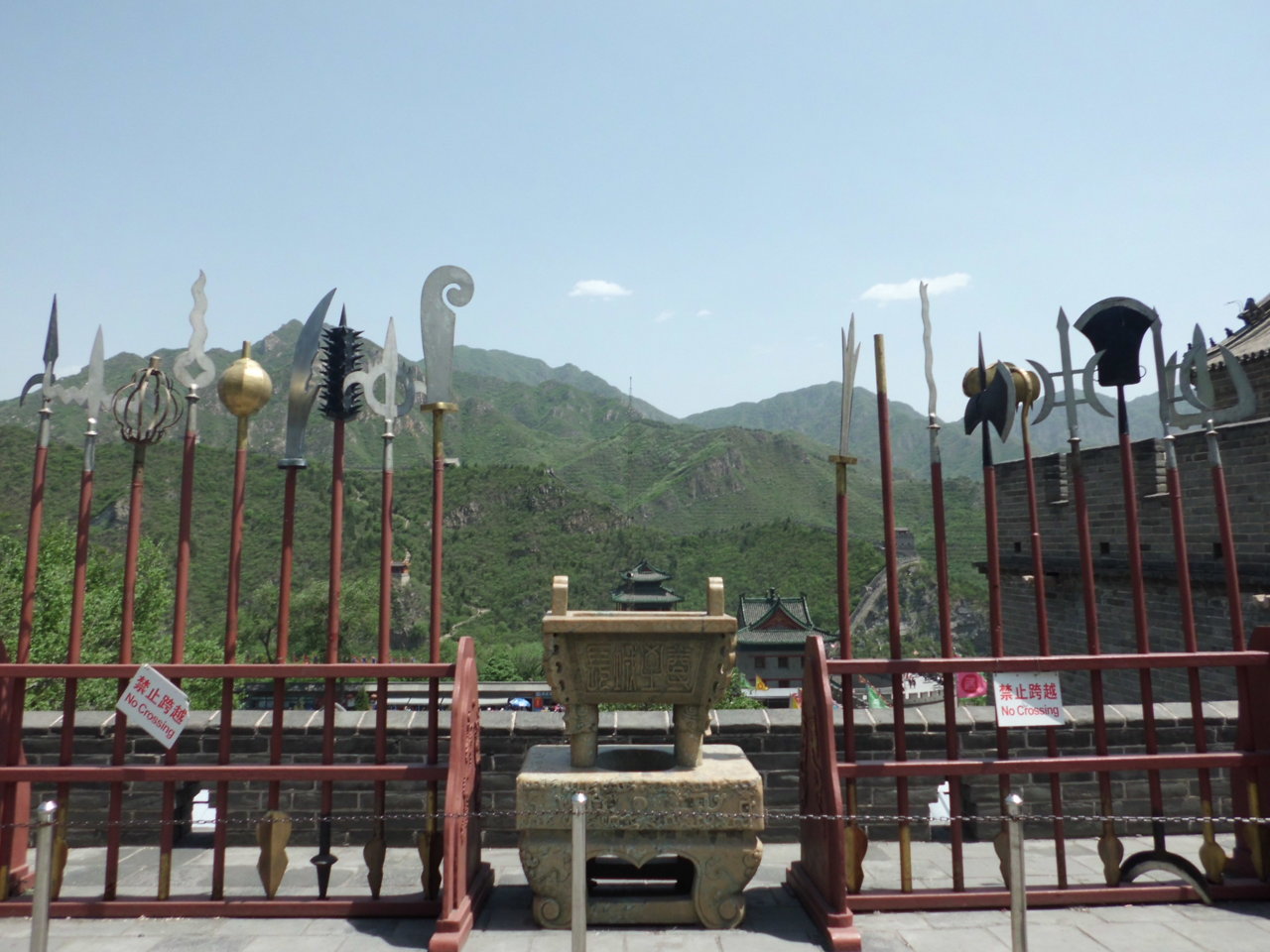
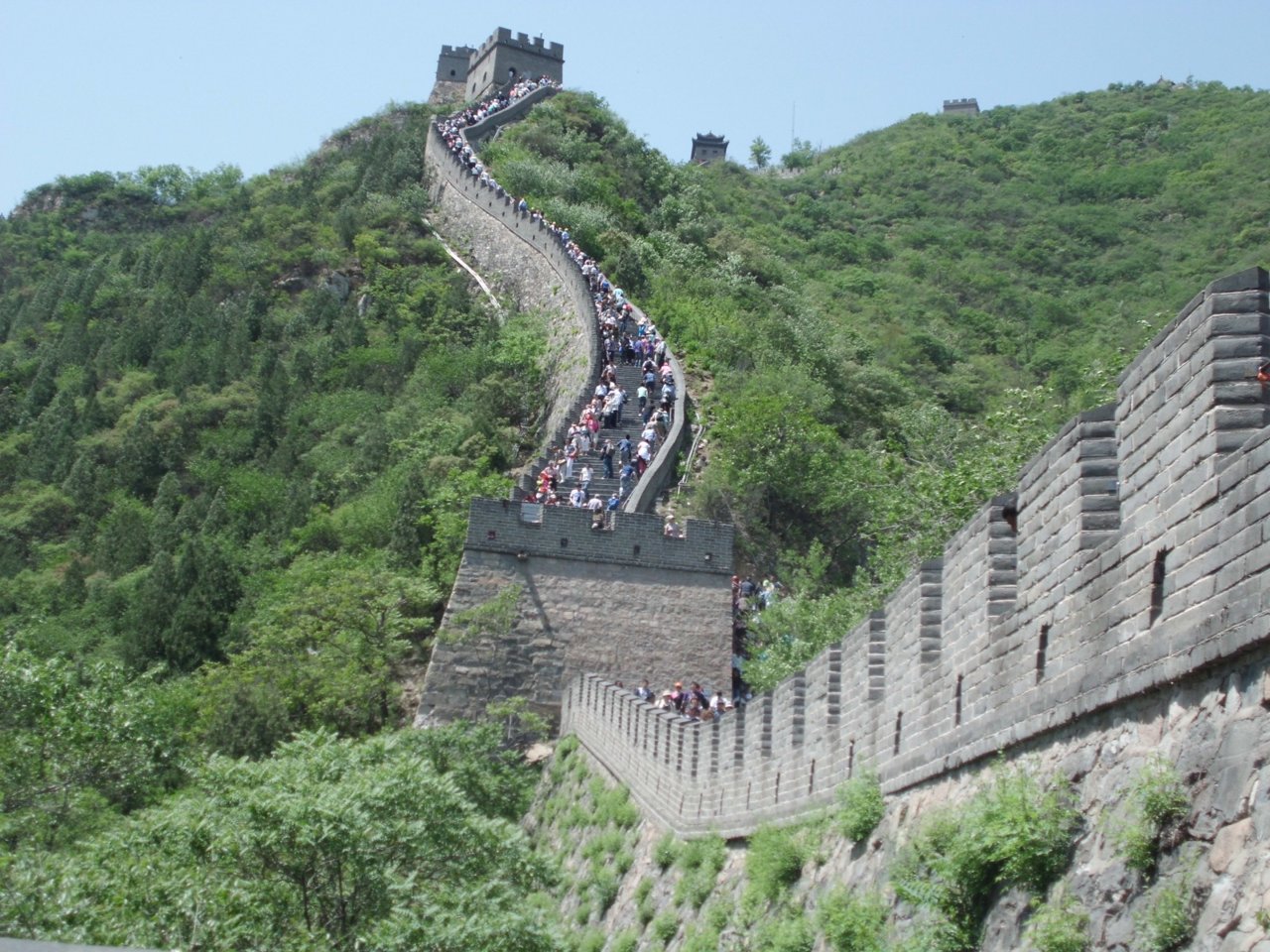
The Great Wall Juyongguan Pass is one of the most prestigious and Spectacular part , Since ancient times, it is the Beijing northwest barrier with difficult terrain . Juyongguan Pass was built in a mountain area , up to approximately 20 km in the valley , This valley is famous as "Guan gou " .It is 50km away from Beijing central city ,20 km from Badaling Great wall ,Badaling high speed can reach .The terrain is complicated, so the Great Wall is the important pass ,there is a kind of saying that "One man can hold out against ten thousand" .
The name of Juyong started in the spring and Autumn Period , In Yuan Dynasty, the Juyongguan Pass was mostly the main traffic road from Beijing to Inner Mongolia. The emperor often passed , thus the palace, the temple and garden were all built , the existing "Cloud Terrace" was the crossing tower platform of Yuan Dynasty ,the original building was on three Lama towers ,in the late Yuan and early Ming dynasty it was destroyed . coupons hole carved Buddhist images and the Vatican, reservoir, Western Xia, dimension, eight Siba, Han and text of Scripture , which is the important historical material of studying Yuan Dynasty Buddhism, ancient words and the cultural exchange history , is also the existing exquisite masterpiece of Yuan Dynasty carving art .
Notice : It takes about 1 hour driving to get there ,this section is well-known throughout the world with majesty , all the watch towers are different and also in different levels ,which give you lots of attractions to walk further and more , so it is more for those people who wan to do hiking . On the fortress there is a Chairman Mao 's slogan which means this is the first magnificant part under heaven .
Open time : 8:00 am --- 5:00 pm
Entrance ticket : Busy season --- 45 Yuan / person
slack season ---40 Yuan /person
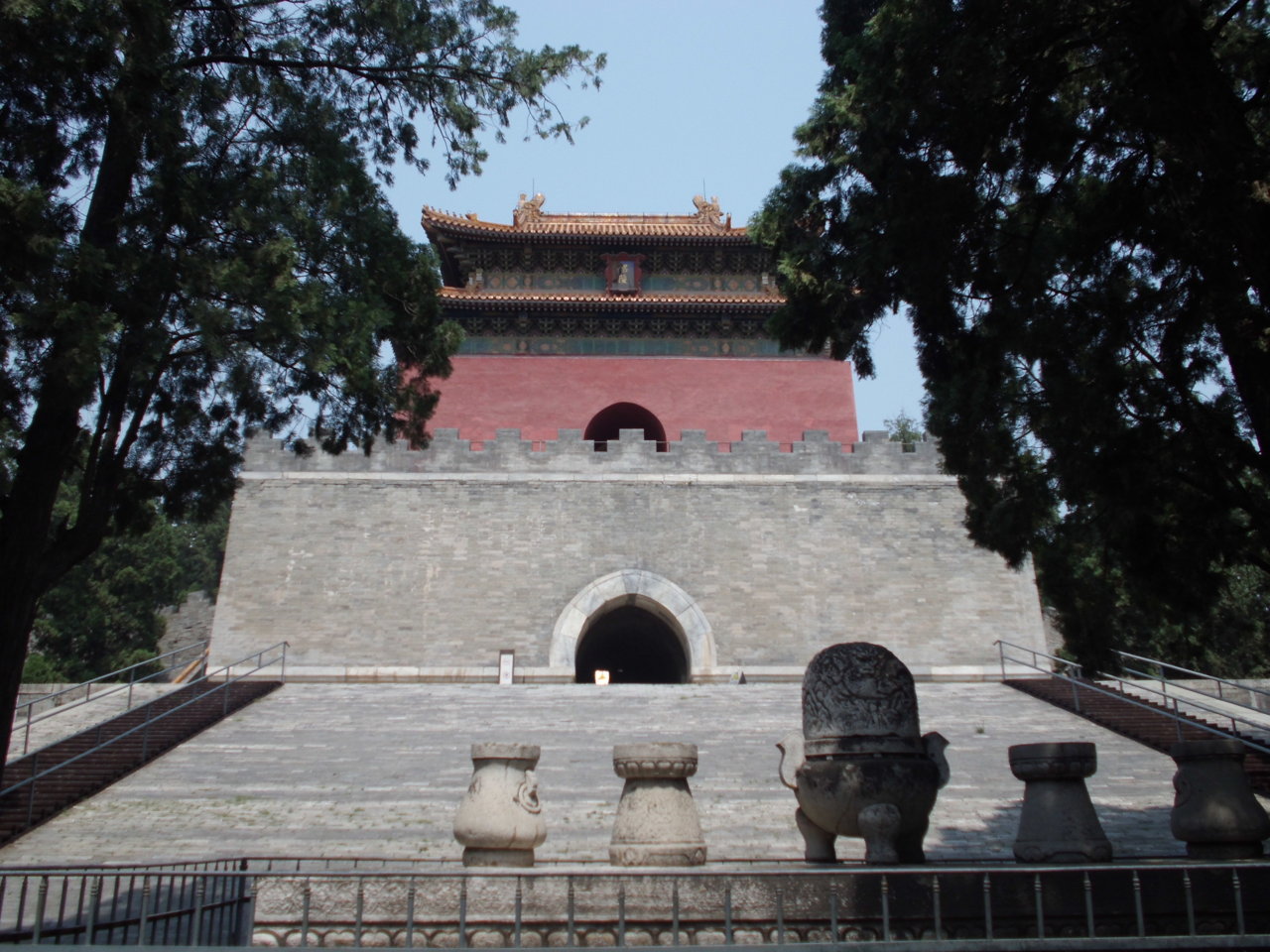
In the afternoon you can visit the Ming tombs where the thirteen emperors were buried in Ming dynasty together with 23 empresses, 1 imperial concubine and some human sacrifices . There are three tombs open to the public ,namely changling (the biggest and the earliest ) , dingling (with an underground palace ) and zhaoling (surface structures) .The tombs were built according to Chinese fengshui which is even also famous all over the world .
Attractions Visited in This Tour