Tour Description
Day 1: Soon after your arrival in Romania you will be relocated to the north-eastern region of Bukovina. On your way to Bukovina you will cross a few medium-size towns, blending the traditional Romanian style with the unavoidable communist-era architecture.
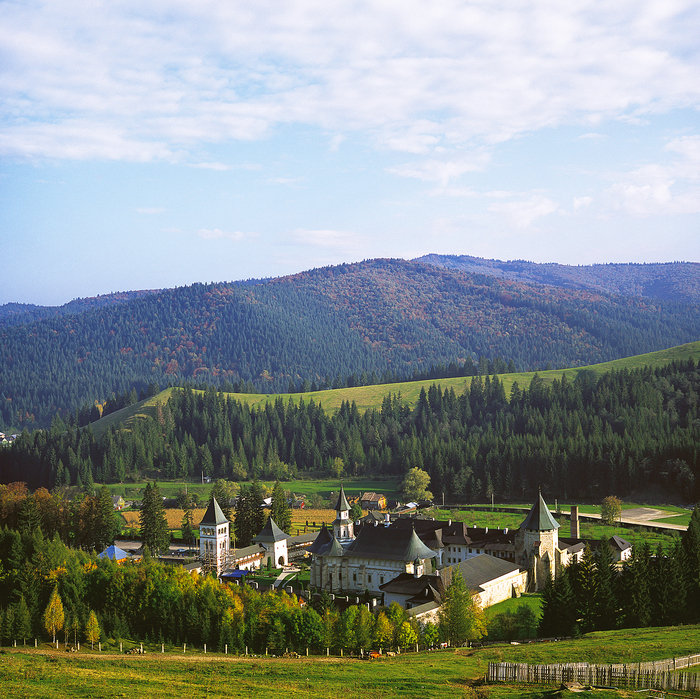
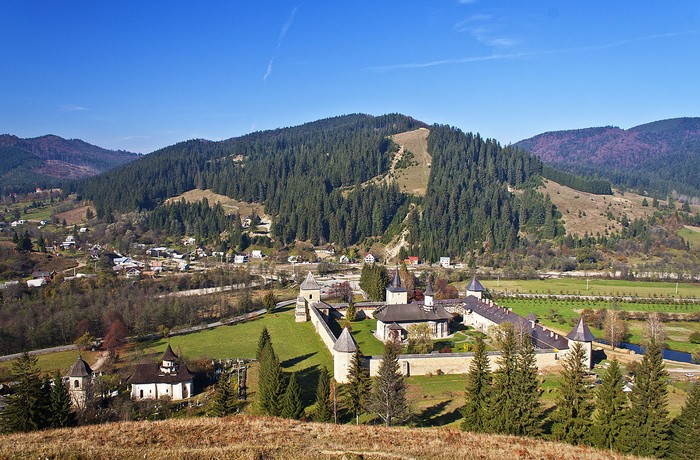
Day 2: The journey of Bukovina and Painted Monasteries Tour starts with a visit of Suceviţa monastery, built in the 16th century. Next, you will take part in an original pottery workshop in Marginea where you’ll be initiated in the craft of moulding clay, according to a technique unique in the world. After lunch you’ll visit Putna, an important monastic establishment dating back 500 years which encloses the tomb of Stephen the Great.
Day 3: On day 3 of Bukovina and Painted Monasteries Tour you’ll go on a trip to the villages of Bukovina and hike through its scenic, primeval forests.
Day 4: The clean, crisp air of the mountains will freshen your morning, as you’re heading on a special train ride with the mocăniţa (an old steam train formerly used for transporting wood logs). We’ll stop for a refreshing lunch in a clearance and on our way back we’ll visit Moldoviţa monastery, an architectural masterpiece in the Byzantine style included among the UNESCO world heritage sites. The day will continue at a local craftswoman who will reveal interesting details on the art of painting Easter eggs, the old local craft of dyeing and decorating eggs with colorful, intricate patterns.
Day 5: Day 5 of Bukovina and Painted Monasteries Tour starts with an hour and a half drive through the picturesque area of Neamţ. Our first stop is the impressive Neamt fortress whose soaring height dominates the valley from 500 meters above. Close by is Neamţ monastery, the oldest monastic establishment for monks which shelters an impressive, well-preserved library.
Day 6: Today you’ll admire one of the most beautiful Byzantine monuments, Voroneţ monastery, whose unique color on the outer wall frescoes made it famous in the entire world. The ruins of Suceava fortress are worth visiting and so is the Ethnographic Museum, an open-air exhibit of Romanian traditional houses.
Day 7: Gura Humorului- Airport