Tour Description
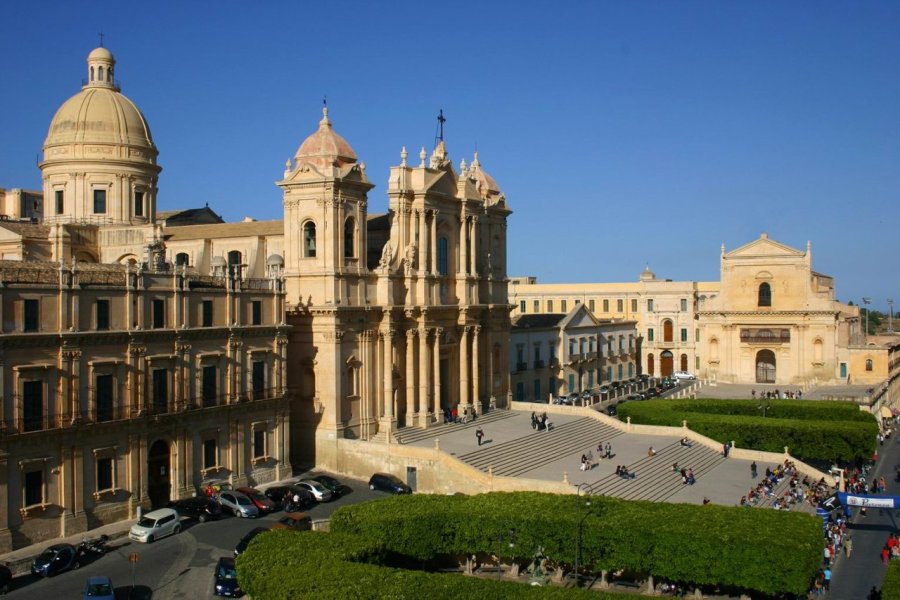
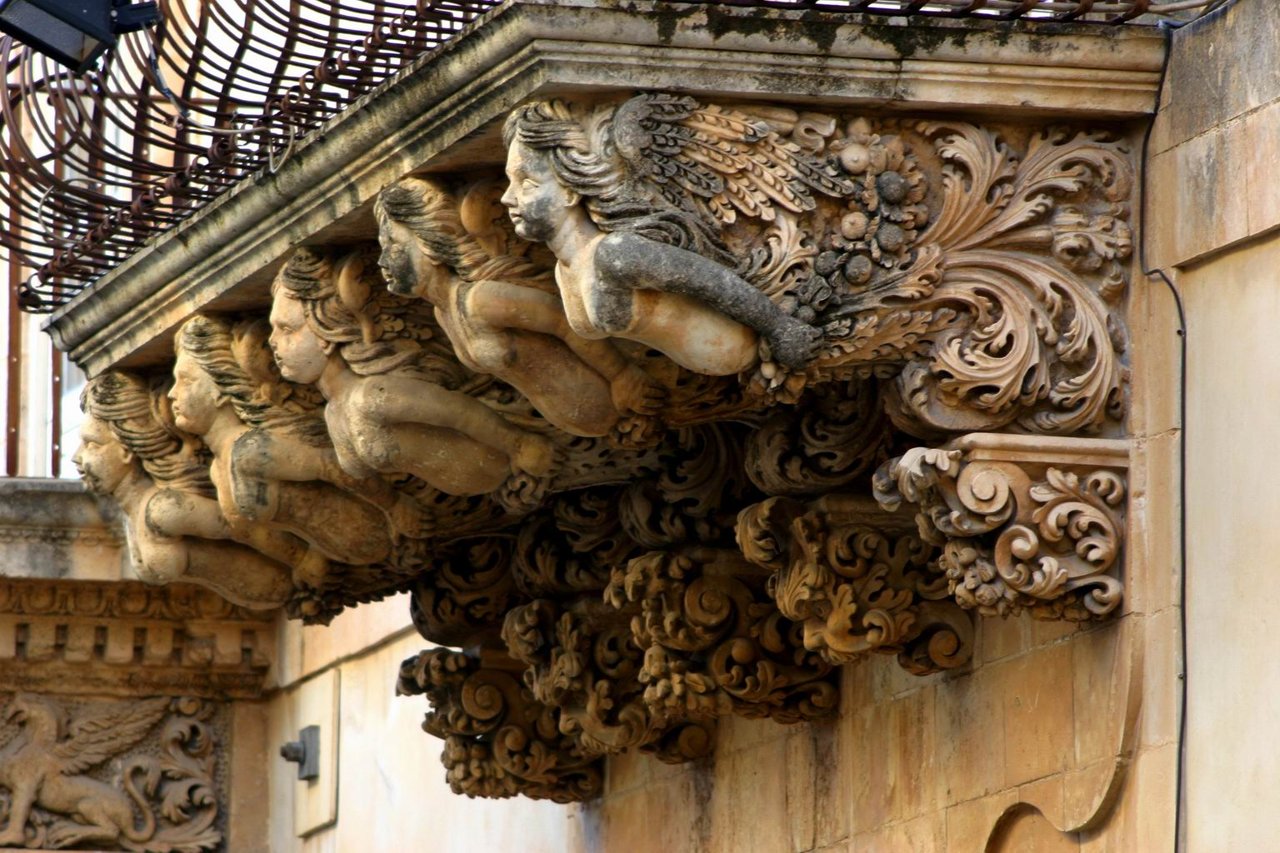
The town of Noto is renowned for its exceptional Baroque heritage that inspired art critic Cesare Brandi to name it Garden of Stone. Noto is the hub of a wide area, which is full of important historical-archaeological, architectural, and landscape data, extending from the Hyblaean plateau to the Ionian coast.
After the tragic earthquake in 1693, Noto was rebuilt on Meti Hill during the eighteenth century. Therefore, this reconstruction represents only a phase in the long and complex history of the town whose origins are to be found in the Early Bronze Age.
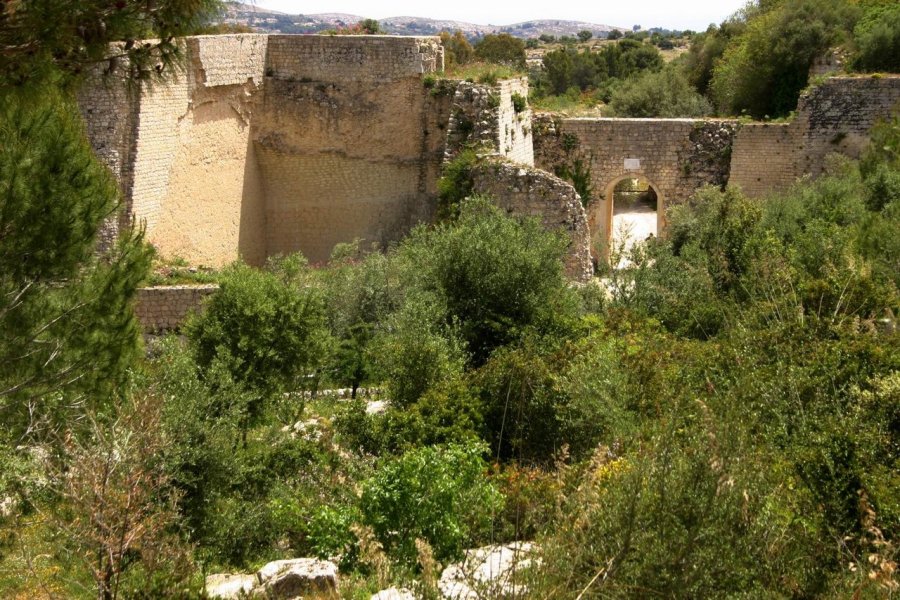
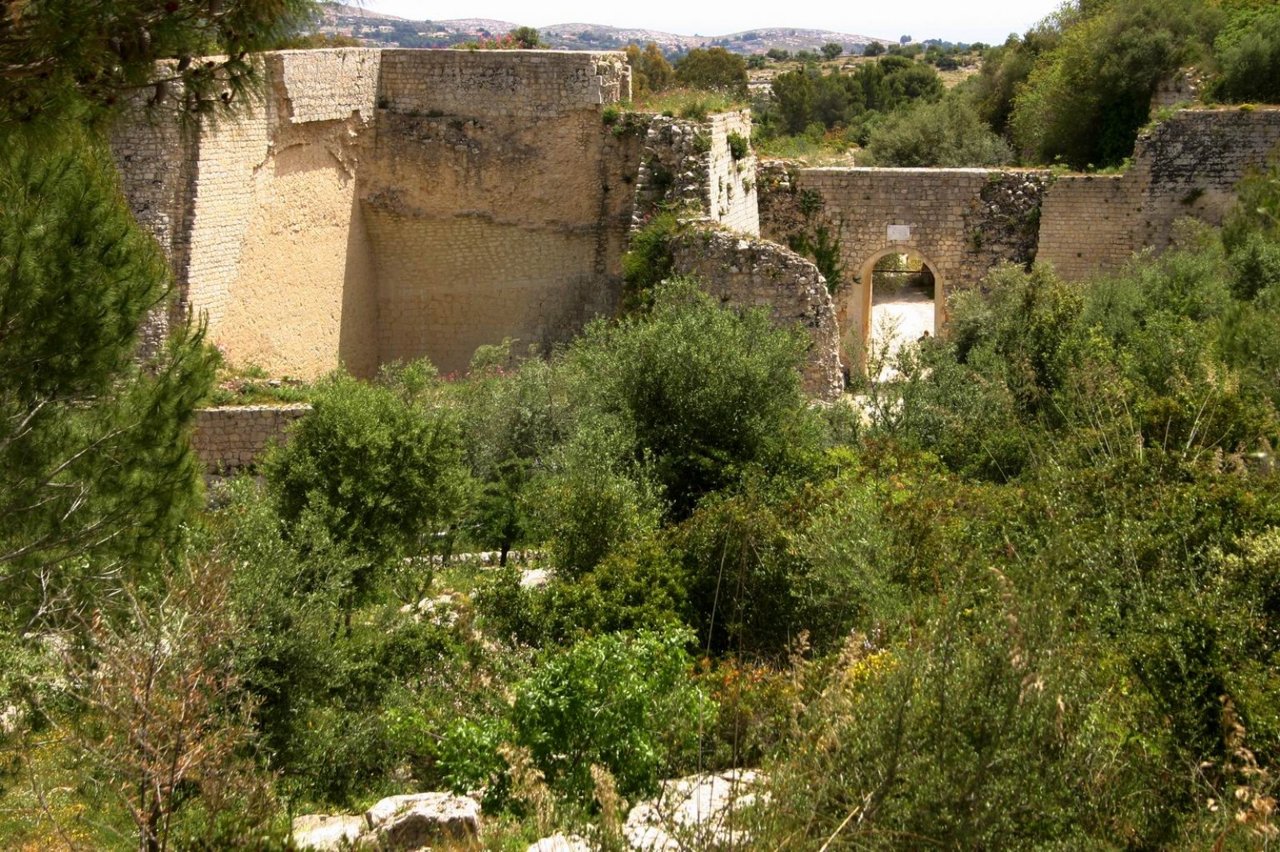
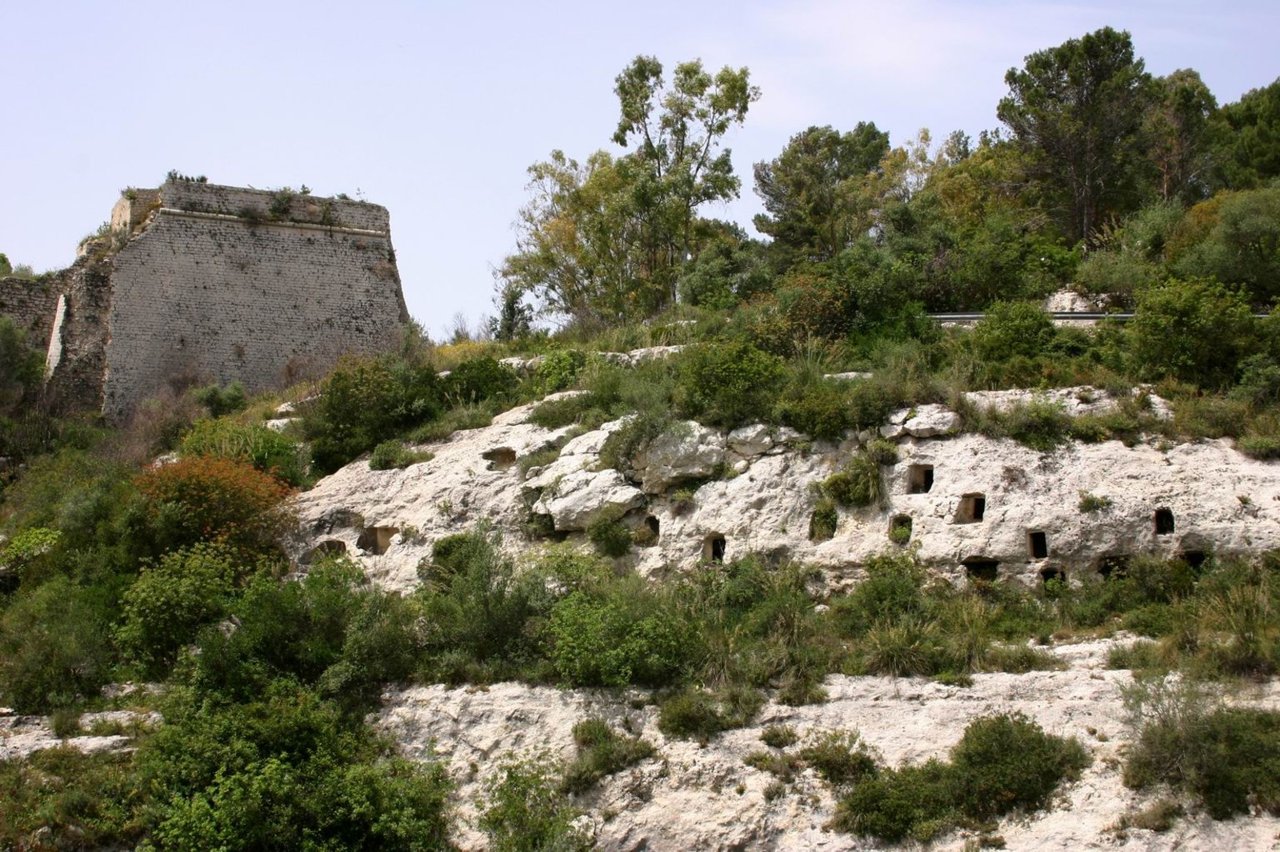
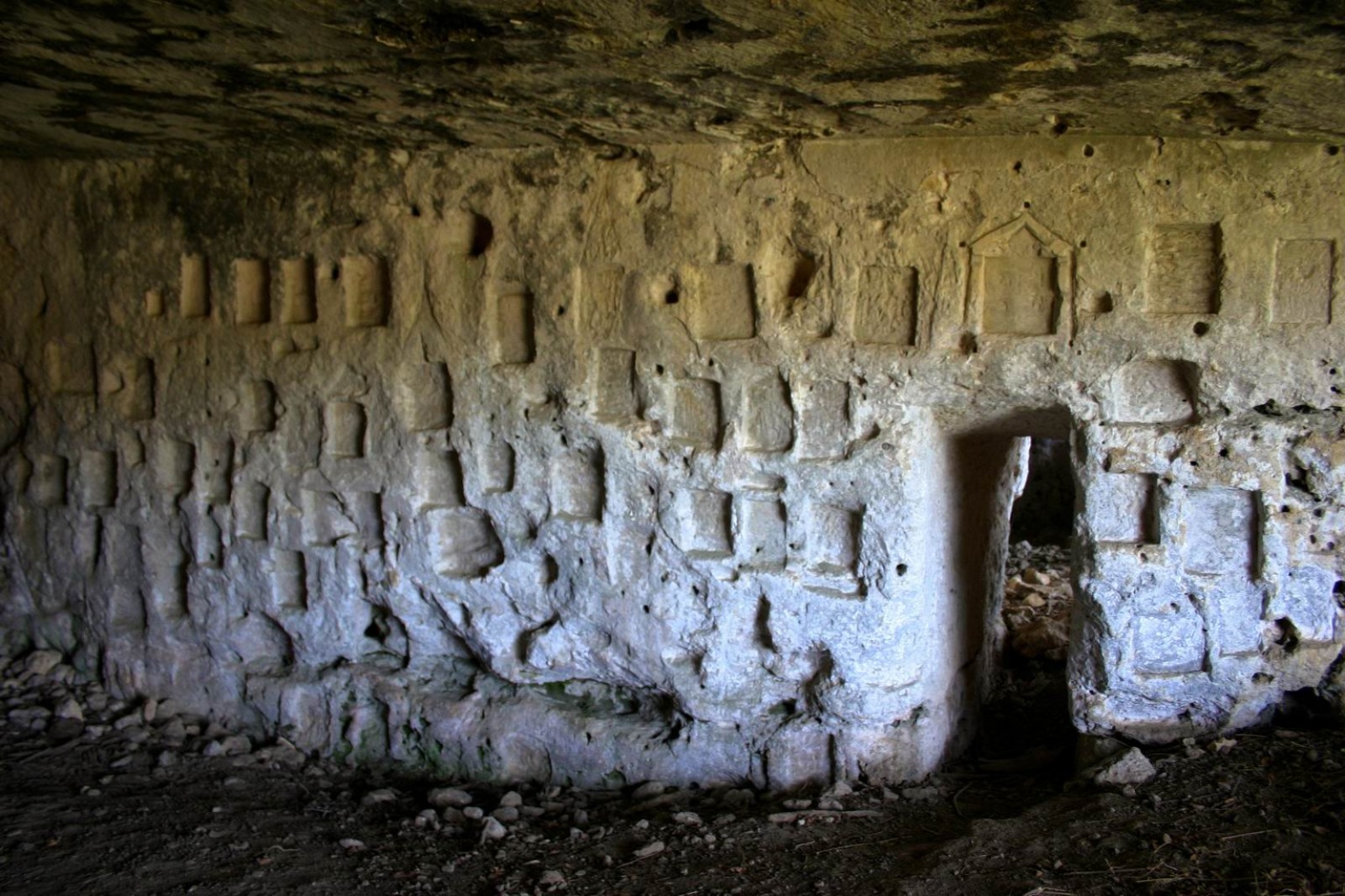
Stroll among the ruins of the old town, whose site was inhabited from the 18th century B. C. Surrounded by deep canyons, the green, lush plateau of Monte Alveria is like a palimpsest preserving the traces of Sicilian history. From the protohistoric Sikel tombs to the remains of the Hellenistic walls, from the Christian and Jewish catacombs to the medieval castle and the monuments of the 16th and the 17th century, you will travel through time.
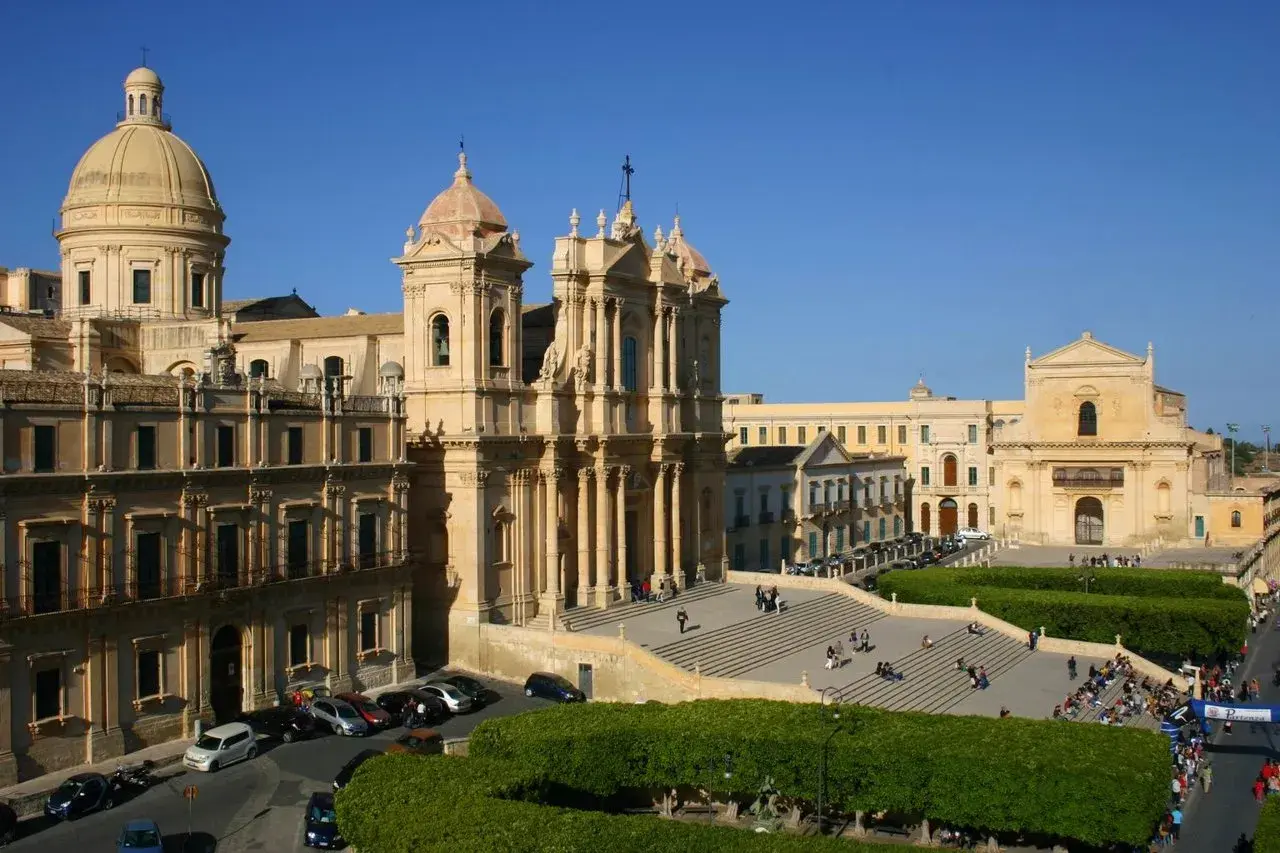
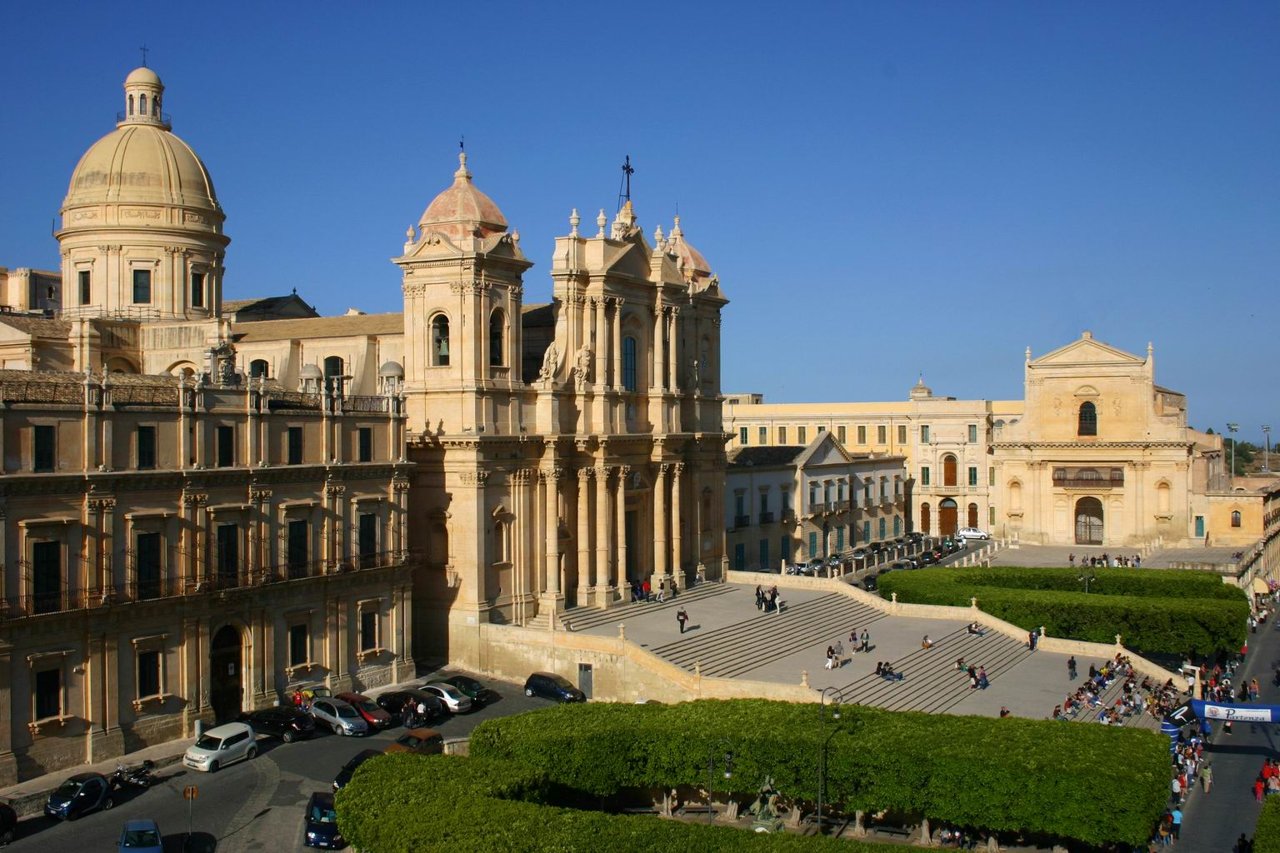
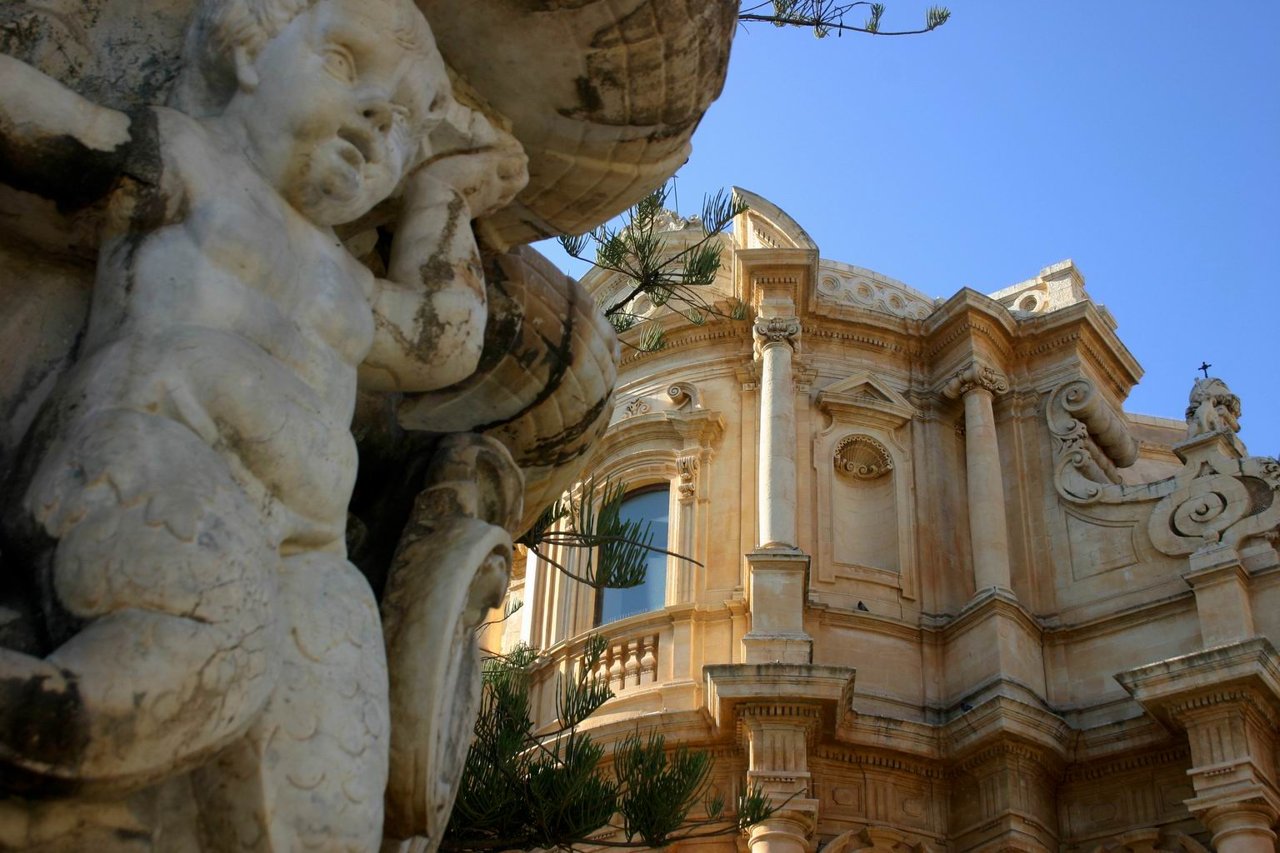
In Noto, we will walk along the main street, Corso Vittorio Emanuele, admiring what a famous Tuscan art critic, Cesare Brandi, nicknamed a “Stone Garden”. Churches, monasteries, convents, palaces, public buildings and squares were set along the slope of Monte Meti, between the 17th and the 19th century, composing a magnificent “stage setting”. All this was achieved in accordance with a uniform plan and complying with the architectural models of the late Baroque. In 2002, Noto was included in the UNESCO World Heritage List.
Attractions Visited in This Tour